The College has been busy on behalf of its members bringing the causes, consequences and ACEM’s evidence-based solutions to bed block to the attention of all levels of government and the media, with positive results.
It is now widely understood that pressure from overcrowding and bed block is driven largely by a shortage of hospital bed capacity exacerbated by a lack of aged care and community supports, and by workforce constraints across the health and care systems.
In Australia, ACEM has been bringing its case to Federal Parliament for decades, a journey outlined in a recent YourED article. I encourage you to read this account of the work undertaken by the College that has culminated in the establishment of the Parliamentary Friends of Emergency Medicine and Care, announced in July. Co-chaired by Dr Gordon Reid MP (an ACEM trainee in his spare time!) and Dr Monique Ryan MP, the multipartisan group will bring parliamentarians together to support emergency medicine. We look forward to seeing fruitful relationships, productive engagement and positive policy changes in the healthcare landscape.
At the inaugural meeting of the Group at Parliament House in October, we will be launching ACEM’s 2026 State of Emergency report, which focuses on the impact of Australia’s ageing population on EDs. As Chair of ACEM’s Preparation for Population Ageing Reference Group, this is an issue I am deeply concerned about.
Also in October, we will launch Aotearoa New Zealand’s first State of Emergency report ahead of the November election (we’ve managed to overcome data issues that had excluded Aotearoa from previous State of Emergency reports). The report will highlight three priority areas: access and flow, workforce, and Māori health equity. I'm looking forward to the launch of this timely and much-needed resource to inform and support our advocacy in Aotearoa. This resource builds on ACEM's ongoing advocacy work in Aotearoa New Zealand, and we're committed to growing its impact in Wellington over the coming years.
The launch of our State of Emergency report is one of our biggest advocacy weeks in the calendar and our hope is that launching it in Canberra at Federal Parliament will maximise its impact and drive some real change. It’s repeatedly been one of our busiest weeks in Australia and we’re excited by the prospect of eliciting the same response in NZ. We’ll keep you updated as the launches approach.
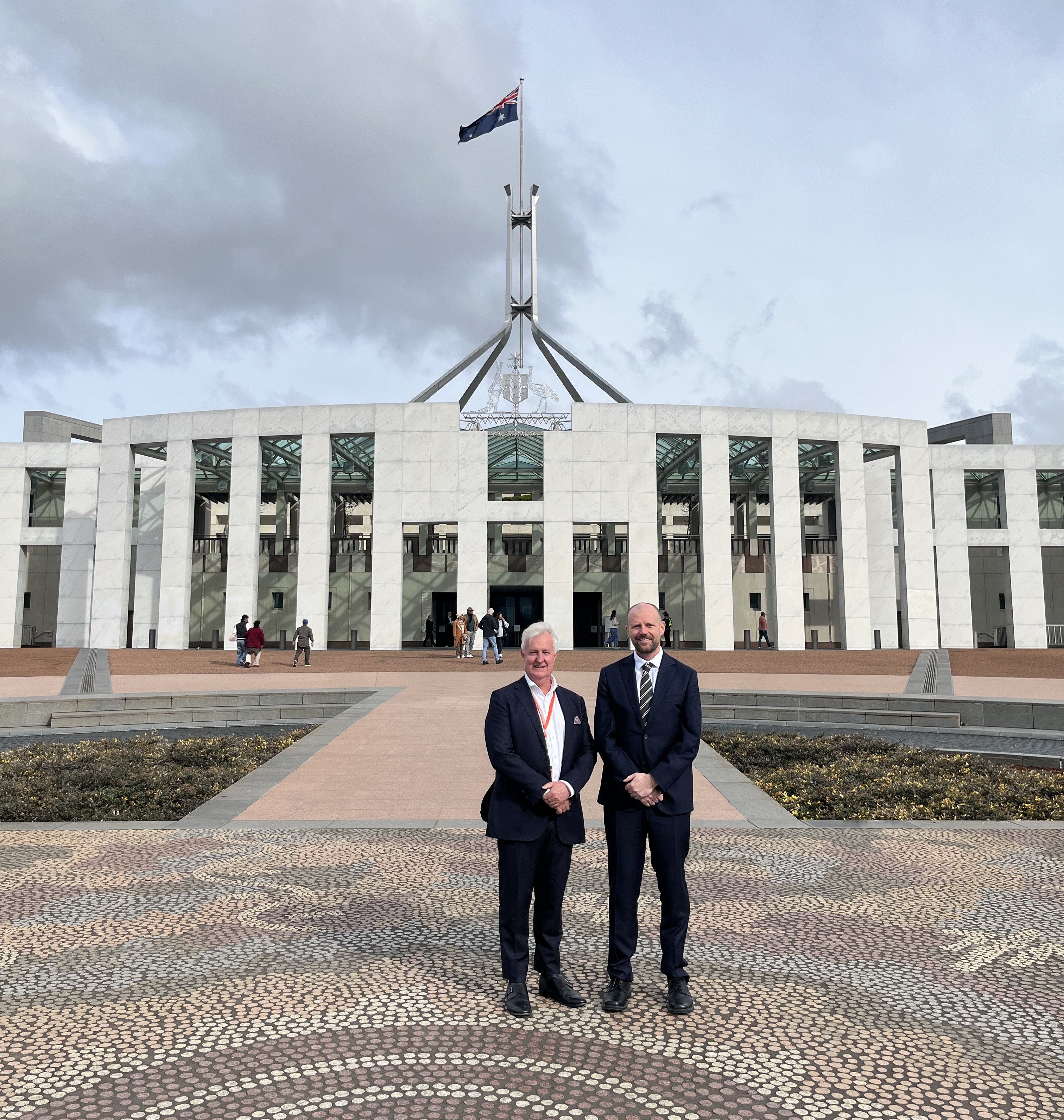
In July, Immediate Past President Dr Stephen Gourley and I travelled to Canberra to meet with members and staff of the offices of the Hon Rebecca White, Dr Anne Webster, Senator the Hon Anne Ruston as well as Dr Reid and Dr Ryan. We discussed the critical issues facing emergency care: the enormous impact of long-stay older patients on ED capacity, the need for greater investment in emergency medicine research and the clearly established benefits of the Emergency Medicine Education and Training (EMET) program.
I am pleased to report that ongoing targeted advocacy efforts in raising the profile of this important initiative have resulted in EMET funding now being secured to December 2027.
I’ve made it across the Nullarbor and the Tasman to Aotearoa twice this winter, attending the Council of Medical Colleges (CMC) meeting in Wellington which was a great opportunity for productive engagement.
A personal highlight for me was this year’s Manaaki Mana Kaikōkiri (champions) Hui, attended by our kaikōkiri who work in EDs to improve culturally safe care and Māori health equity. Held at Te Tangatarua Marae in Rotorua in August, the hui brought kaikōkiri together, and saw doctors, nurses and allied health workers from across Aotearoa share their successes and challenges. There were interactive group learning sessions, inspiring presentations, a tour of Rotorua ED, and cultural and social activities promoting connection and wellbeing.
We are putting the finishing touches to the refreshed Te Rautaki Manaaki Mana strategy, which we will be able to share with you soon. Manaaki Mana remains ACEM’s commitment to excellence in emergency care for Māori in Aotearoa New Zealand.
In June, ACEM published the bi-national Sustainable Workforce Survey (SWS), held every three years since 2016. Emergency medicine specialists were asked about their levels of job satisfaction and work-life balance, workplace conditions, future career intentions, and health and wellbeing. This year’s edition hit a nerve with the public.
While it is unfortunately no surprise to emergency physicians that ED overcrowding and bed block have ranked as the top two stressors across all four surveys, the consistently elevated levels of burnout and reported incidents of verbal abuse and physical aggression made an impression in the media. A front-page article in the Sydney Morning Herald, an editorial, a widely shared first-person opinion piece by NSW Branch Chair Dr Rachael Gill and further stories featured across several media outlets.
The survey’s findings were confirmed by new data from the Australian Institute of Health and Welfare (AIHW). The AIHW report revealed that assault-related hospitalisations of health care workers have more than doubled in the past decade, with assault now the second leading cause of injury hospitalisation in this workforce. Last year ACEM published the influential Breaking Point: An Urgent Call to Action on Emergency Department Safety report, and we will continue to advocate for coordinated action from all levels of government to ensure safe conditions for ED staff, patients and carers to deliver, receive and support healthcare.
The survey was closely followed by the latest Annual Site Census, which provides a comprehensive snapshot of ACEM-accredited EDs. It revealed that a third of Australian and Aotearoa New Zealand hospital EDs have funded specialist positions they are unable to fill, with 130,000 patients spending more than 24 hours waiting in an ED.
ACEM recommends that no patient should spend more than 12 hours in an ED and strongly believes that 24-hour stays should be a never event. The College released a statement marking one year since the introduction of Queensland Health’s 24-hour directive, noting the importance of measures like our Hospital Access Targets in identifying bottlenecks impacting patient flow to identify where further investment is needed.
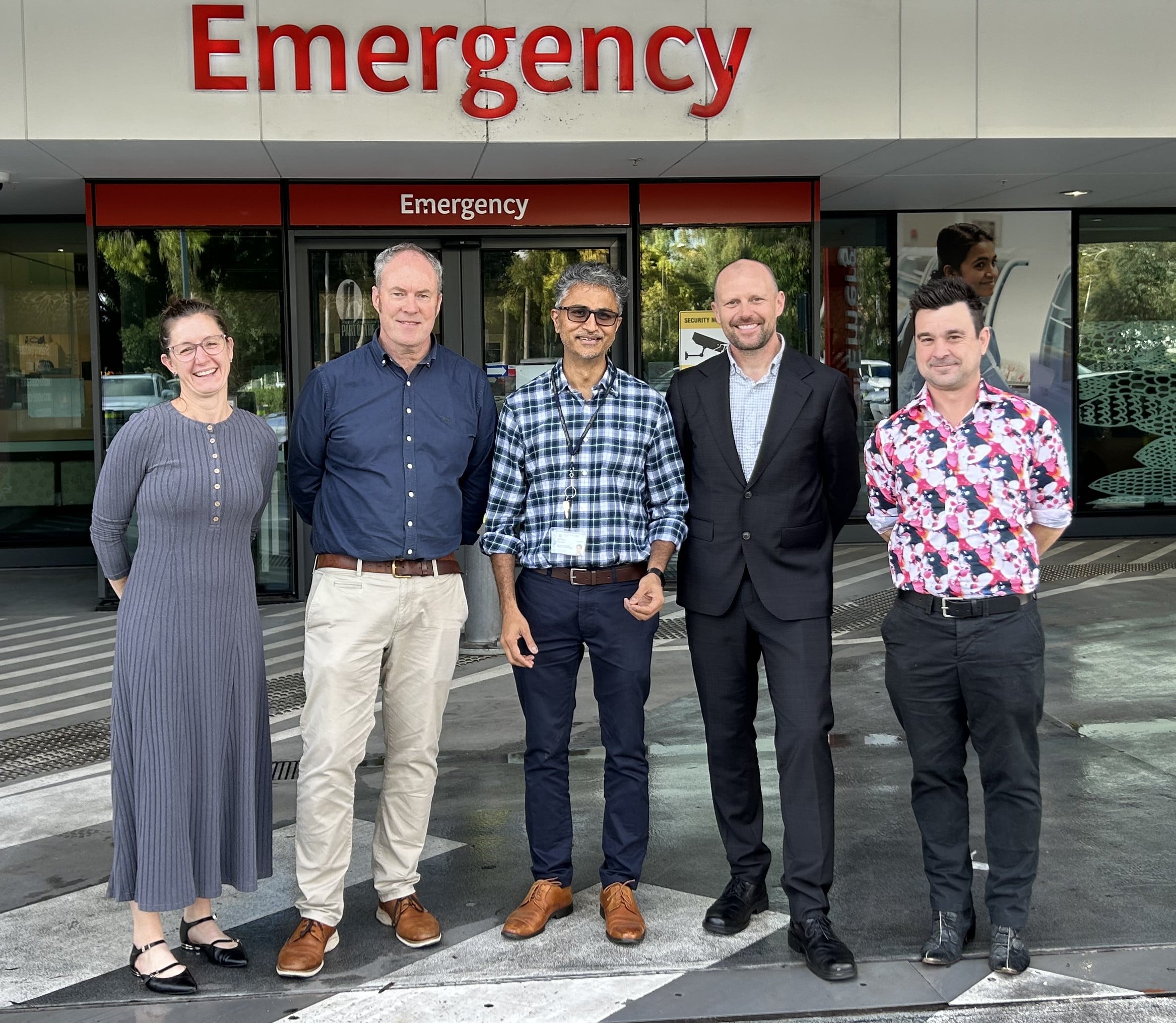
In South Australia, SA Branch Chair Dr Dan Haustead and I met with SA’s new Minister for Health and Wellbeing, the Hon Blair Boyer, to discuss the challenges facing emergency care across the state. We were given assurances that emergency physicians would be embedded in the design and implementation of the SA Labor Government’s election promise to build Mental Health Assessment units alongside three EDs. We pointed out that designing poor models of care for these facilities could inadvertently make things worse for patients.
Ramping, bed block and patient flow were also flagged, and we shared some examples of improvements that have happened recently across our two nations - particularly in the ACT and Queensland. We also visited the Royal Adelaide Hospital ED. My thanks to Director of Emergency Medicine Dr Matt Wright, Deputy Director Dr Julianne Schliebs, Dr Thiru Govindan and members and staff who took the opportunity to talk to us about the issues that matter to them.
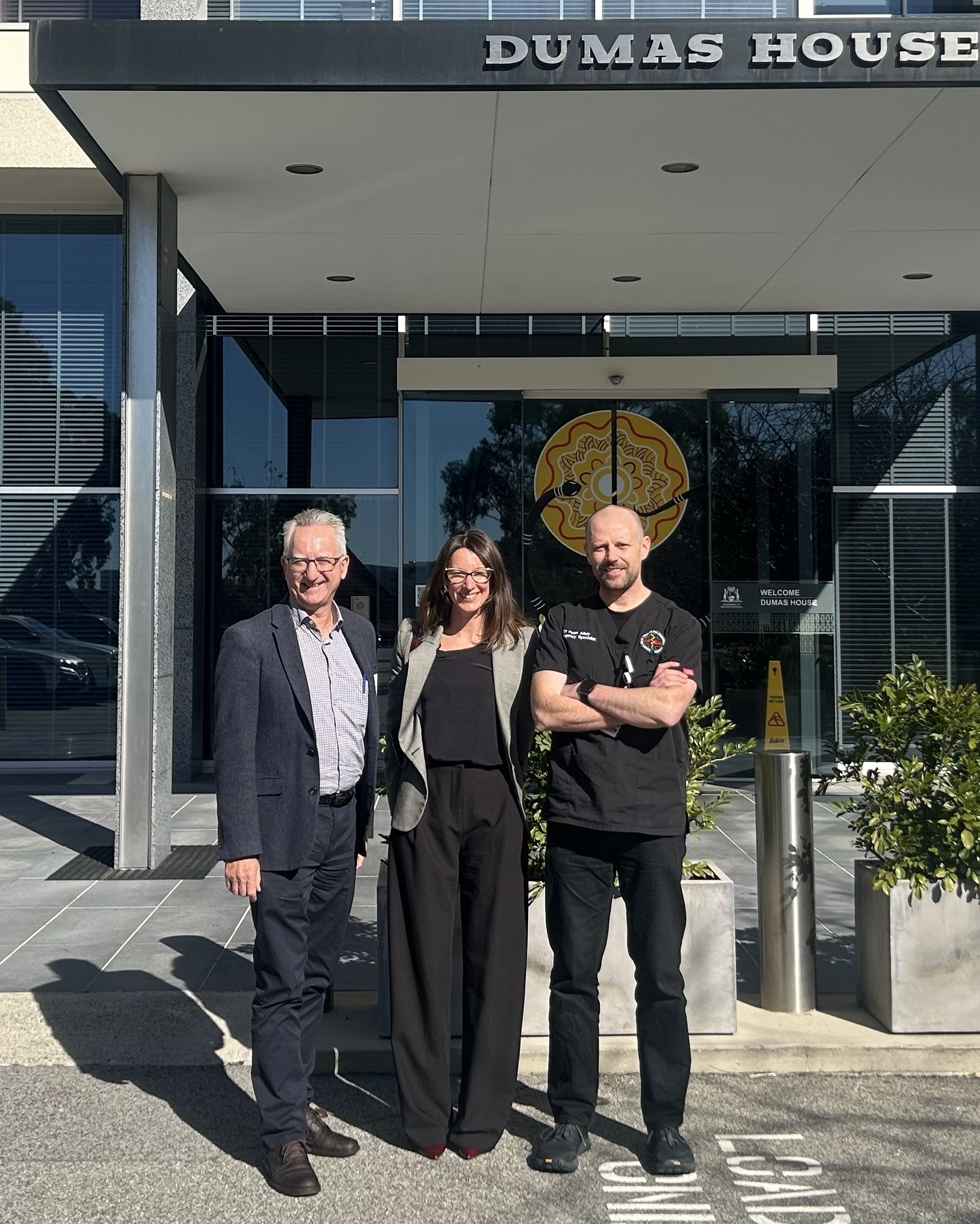
In Western Australia, I joined WA Branch Chair Dr Vanessa Clayden and Deputy Branch Chair Dr Eve Foreman in meeting WA's Minister for Health, Mental Health and Preventative Health, the Hon Meredith Hammat, WA Chief Medical Officer Dr Aresh Anwar, and the office of the Minister for Medical Research. FACEM Professor Daniel Fatovich also attended the meeting with Minister Dawson’s office to share his expertise in emergency medicine research.
In Brisbane, emergency medicine research was also under the microscope at the Queensland Autumn Symposium, where I was impressed by the record turnout and the breadth of knowledge displayed.
I attended the the 25th International Conference on Emergency Medicine (ICEM) in Hamburg along with over 3200 emergency physicians from across the world. There was a very healthy turnout from Aotearoa and Australia. Despite the challenges we face across our two nations, meetings like these can reinvigorate and inspire you. I’d like to congratulate Dr Gourley on his appointment to the International Federation for Emergency Medicine (IFEM) Board.
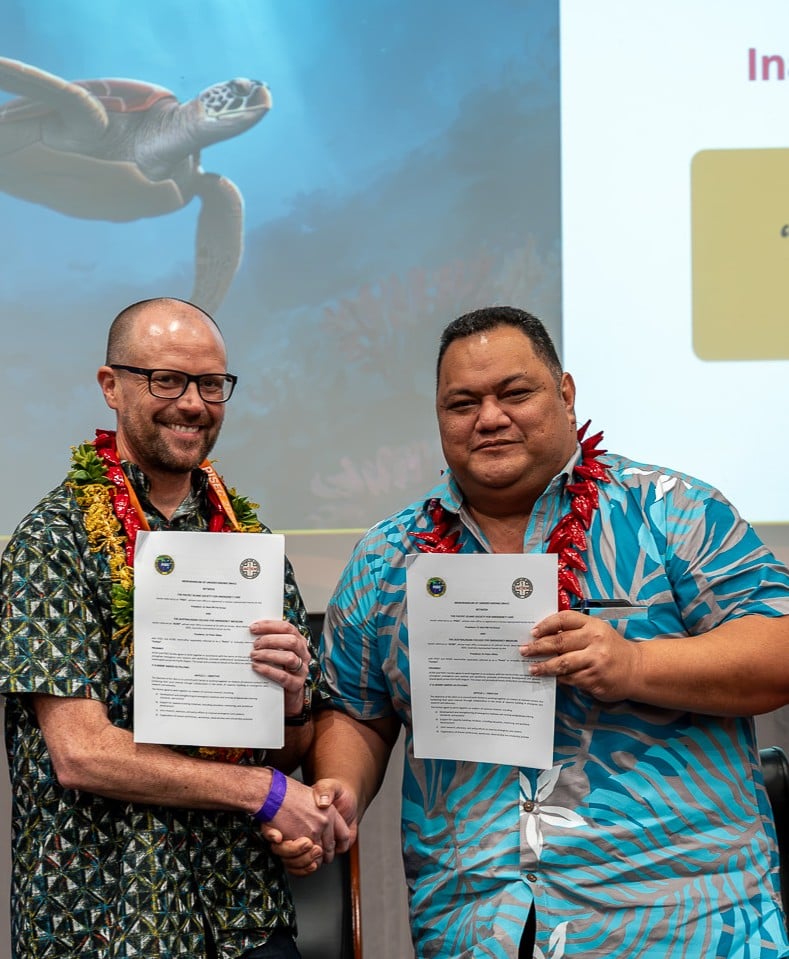
Back in the southern hemisphere, I was honoured to present the keynote at the inaugural 2026 Pacific Islands Society for Emergency Care (PISEC) Scientific Conference, held in Apia, Samoa, in August. The conference also marked the formal signing of a memorandum of understanding between our two organisations, signed by PISEC President Dr Aird Hill Pai Enosa (Samoa) and myself.
This event signalled the next stage in our relationship from mentorship and support into a genuine partnership to jointly address emergency care workforce and systems development across the region. My warmest congratulations to the newly elected PISEC President Dr Mafa Lokenga (Fiji) and Vice President Dr Trina Sale (Solomon Islands) and all who made this event possible.
Spring is in the air, and having just about survived another harsh West Australian winter, can I encourage you to attend our Annual Scientific Meeting in Perth in November - it’s going to be superb! Come along to recharge your batteries, share the latest knowledge, meet colleagues from near and far – and maybe even grab a quokka selfie! Register here.